Understanding Land Capability Assessment Cost in Victoria: A Complete Guide
Planning to build a home, develop rural land, or install a septic system in Victoria? Understanding the requirements for wastewater management is an important part of the process. A Land Capability Assessment (LCA) helps determine whether a property can safely manage wastewater on-site and identifies suitable wastewater treatment and disposal options.
For property owners, builders, and developers, understanding Land Capability Assessment Cost and the factors that influence it can make project planning easier. Victorian Septic Land Capability Assessments provides services to help property owners assess land suitability and understand wastewater management considerations.
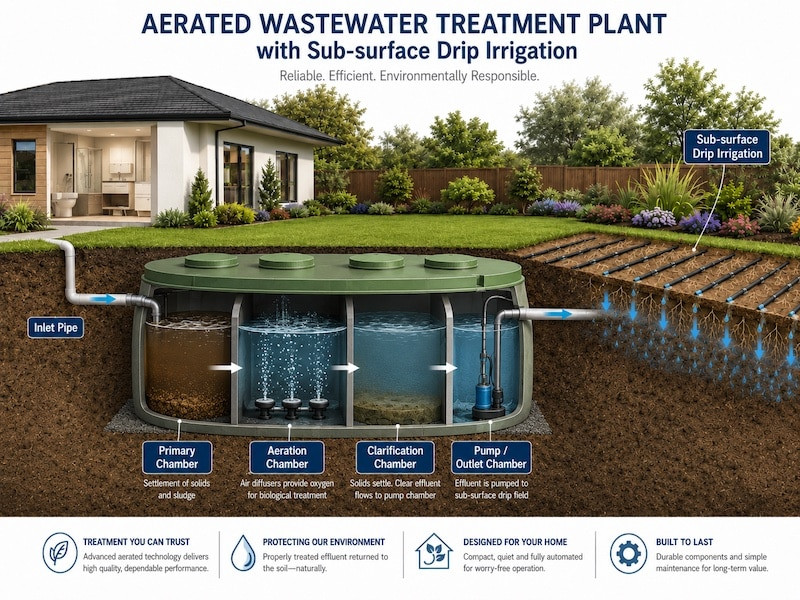
What Is a Land Capability Assessment?
A Land Capability Assessment is a technical evaluation of a property's ability to manage treated wastewater
without creating unacceptable risks to human health or the environment. It is commonly required for properties that rely on an on-site wastewater management system rather than a connection to a reticulated sewer network.
The assessment considers several characteristics of the site, including soil type, land slope, drainage, rainfall, groundwater conditions, and nearby waterways. These factors help determine which wastewater management system may be suitable for the property.
An LCA can also help identify site limitations and provide recommendations for wastewater treatment and land application areas. Depending on the property and the proposed development, the assessment may be needed as part of a planning or building approval process.
Why Is a Land Capability Assessment Important?
Before installing a septic system, it is essential to understand how the land will respond to wastewater application. An unsuitable system or poorly located disposal area can contribute to wastewater seepage, groundwater contamination, unpleasant odours, and damage to surrounding land.
A properly prepared assessment helps property owners make informed decisions about wastewater management.
Key benefits include:
-
Protecting the environment: Helps reduce the risk of wastewater affecting groundwater, waterways, and surrounding ecosystems.
-
Supporting approval processes: Provides technical information that may be required by the relevant council or regulatory authority.
-
Choosing a suitable system: Helps identify wastewater treatment and disposal options appropriate for the site.
-
Planning property development: Highlights land constraints before construction or installation work begins.
-
Reducing avoidable expenses: Identifying site limitations early may help prevent unsuitable system choices and costly changes later.
The specific requirements depend on the property, the proposed development, and the relevant local regulations.
What Influences Land Capability Assessment Cost?
The Land Capability Assessment Cost can vary considerably between properties. There is no single price that applies to every site because each assessment involves different conditions, investigation requirements, and reporting needs.
Understanding the main cost factors can help you prepare for the assessment process.
1. Property Size and Complexity
The size and layout of a property can influence the amount of investigation required. A straightforward residential block may be easier to assess than a large rural property with varying soil conditions, steep slopes, or multiple potential wastewater disposal areas.
Sites with complex boundaries, access limitations, or significant changes in elevation may require additional investigation.
2. Soil Testing Requirements
Soil characteristics are important when evaluating how wastewater can be absorbed and managed. Depending on the site, an assessment may involve soil observations, test pits, or other investigations to understand soil texture, structure, and drainage behaviour.
The number and type of tests required can affect the overall assessment cost.
3. Site Accessibility
Easy access can make site inspections more straightforward. However, properties with restricted access, dense vegetation, steep terrain, or difficult ground conditions may require additional time or equipment.
These practical considerations can influence the resources needed to complete the assessment.
4. Groundwater and Drainage Conditions
Groundwater depth, seasonal waterlogging, surface drainage, and proximity to waterways can affect the suitability of a proposed wastewater system.
Where conditions are more complicated, additional investigation or technical analysis may be necessary to determine appropriate wastewater management options.
5. Type of Development
The intended use of the property is another important consideration. A proposed single dwelling may have different assessment requirements from a development involving multiple buildings or a higher wastewater demand.
The assessment must consider the expected wastewater volume and the available area for treatment and disposal.
6. Reporting and Regulatory Requirements
The final report may need to address specific council requirements, site constraints, wastewater system recommendations, and land application design considerations.
The scope of work required for the property and the relevant authority's requirements can influence the final fee.
What Does LCA Cost Usually Include?
When comparing LCA Cost estimates, it is important to understand exactly what each quote covers. A lower initial price may not represent the same scope of work as a more detailed assessment.
Depending on the property's needs and the agreed scope, an assessment may include:
-
An initial review of property information.
-
A site inspection and assessment of relevant land characteristics.
-
Soil investigation and testing where required.
-
Consideration of slope, drainage, groundwater, and environmental constraints.
-
Evaluation of suitable on-site wastewater management options.
-
Recommendations for wastewater treatment and land application.
-
Preparation of a technical report for the intended purpose.
Not every assessment includes all these items. Ask the provider whether site testing, travel, additional investigations, report revisions, and any required design work are included in the quoted price.
How to Prepare for a Land Capability Assessment
Preparing the necessary information before booking an assessment can help the process run more smoothly.
Gather Property Documents
Collect the property address, available site plans, proposed building plans, and any relevant planning or council correspondence. These documents help the assessor understand the proposed development and identify potential site constraints.
Explain Your Development Plans
Clearly describe whether you are building a new home, upgrading an existing septic system, or undertaking another type of development. Information about the number of bedrooms, expected occupancy, and proposed water use may be relevant to wastewater planning.
Ask About the Scope and Fees
Request a written quote that explains the proposed investigations, deliverables, estimated timeframe, and any additional charges that may apply.
Check Local Requirements
Contact the relevant local council or regulatory authority to confirm whether an LCA is required and whether there are specific requirements for the report. This can help avoid unnecessary delays or additional work.
Choosing a Land Capability Assessment Provider in Victoria
Selecting an experienced provider is important because the assessment needs to reflect the actual conditions of your property and the requirements of the proposed project.
Victorian Septic Land Capability Assessments offers services related to land capability and on-site wastewater assessment. Property owners can explore the provider's land capability assessment services to learn more about the available support.
When selecting a provider, consider the following:
-
Experience with properties and wastewater systems similar to yours.
-
Clear explanations of the assessment process.
-
A transparent quote outlining the scope of work.
-
Reports that address relevant site conditions and regulatory requirements.
-
Communication about timelines, site access, and any additional investigations.
It is also useful to ask whether the provider can clarify the findings and explain the recommended next steps after the report is completed.
Conclusion
Understanding Land Capability Assessment Cost and LCA Cost is an important step when planning a property development that requires an on-site wastewater management system. The final cost depends on factors such as soil conditions, property size, site accessibility, development type, testing requirements, and reporting needs.
Obtaining a clear quote and preparing the relevant property information can help you plan your project more effectively. For assistance with land suitability and wastewater assessment requirements in Victoria, visit Victorian Septic Land Capability Assessments and review its services to determine the next steps for your property.
Frequently Asked Questions (FAQs)
1. What is a Land Capability Assessment?
A Land Capability Assessment evaluates whether land is suitable for managing wastewater on-site. It considers soil, slope, drainage, groundwater, and environmental conditions to help identify appropriate wastewater management options.
2. How much does a Land Capability Assessment cost in Victoria?
The cost varies according to property size, site conditions, testing requirements, development type, and the scope of the final report. Contact an assessment provider for a quote based on your specific property.
3. What does LCA Cost depend on?
LCA Cost depends on factors such as soil testing, site accessibility, groundwater conditions, the complexity of the property, and any additional investigation or reporting required.
4. Is a Land Capability Assessment required for a septic system?
An assessment may be required when installing or replacing an on-site wastewater management system, particularly where council approval is necessary. Requirements vary by property and local authority, so confirm them with the relevant council.
5. How long does a Land Capability Assessment take?
The timeframe depends on site accessibility, the investigations required, weather conditions, and report preparation. Ask the provider for an estimated schedule when requesting a quote.
6. What information should I provide before an assessment?
Useful information includes the property address, site plans, proposed building plans, number of bedrooms, intended property use, and any relevant council correspondence.
7. Where can I learn more about assessment services in Victoria?
Visit Victorian Septic Land Capability Assessments' services page to explore the available services and enquire about an assessment for your property.


Comments
Post a Comment