Land Capability Assessments in Victoria: Understanding LCA Cost and Why Professional Assessments Matter
When planning property development, installing a septic system, or building in rural or semi-rural regions, understanding Land Capability Assessments in Victoria becomes essential. Environmental regulations across Victoria require property owners, builders, and developers to ensure land can safely manage wastewater before construction or system installation begins.
This is where Victorian Septic Land Capability Assessments play a vital role. With professional expertise and scientifically backed evaluation methods, the company helps property owners meet council requirements while protecting the environment and public health.
In this article, we explore what land capability assessments are, why they are required, how they work, and the factors that influence LCA cost in Victoria.
What Are Land Capability Assessments in Victoria?
A Land Capability Assessment (LCA) is a detailed scientific evaluation that determines whether a property can safely treat and dispose of wastewater through an onsite system such as a septic tank. The assessment examines soil characteristics, drainage conditions, environmental risks, and land features to ensure wastewater dispersal does not contaminate surrounding ecosystems.
In Victoria, LCAs are commonly required when:
-
Building a new home in an unsewered area
-
Upgrading or replacing an existing septic system
-
Subdividing land
-
Developing commercial or rural properties
-
Applying for council planning permits
Local councils often request an LCA report before granting approvals because improperly managed wastewater can lead to groundwater pollution and health risks.
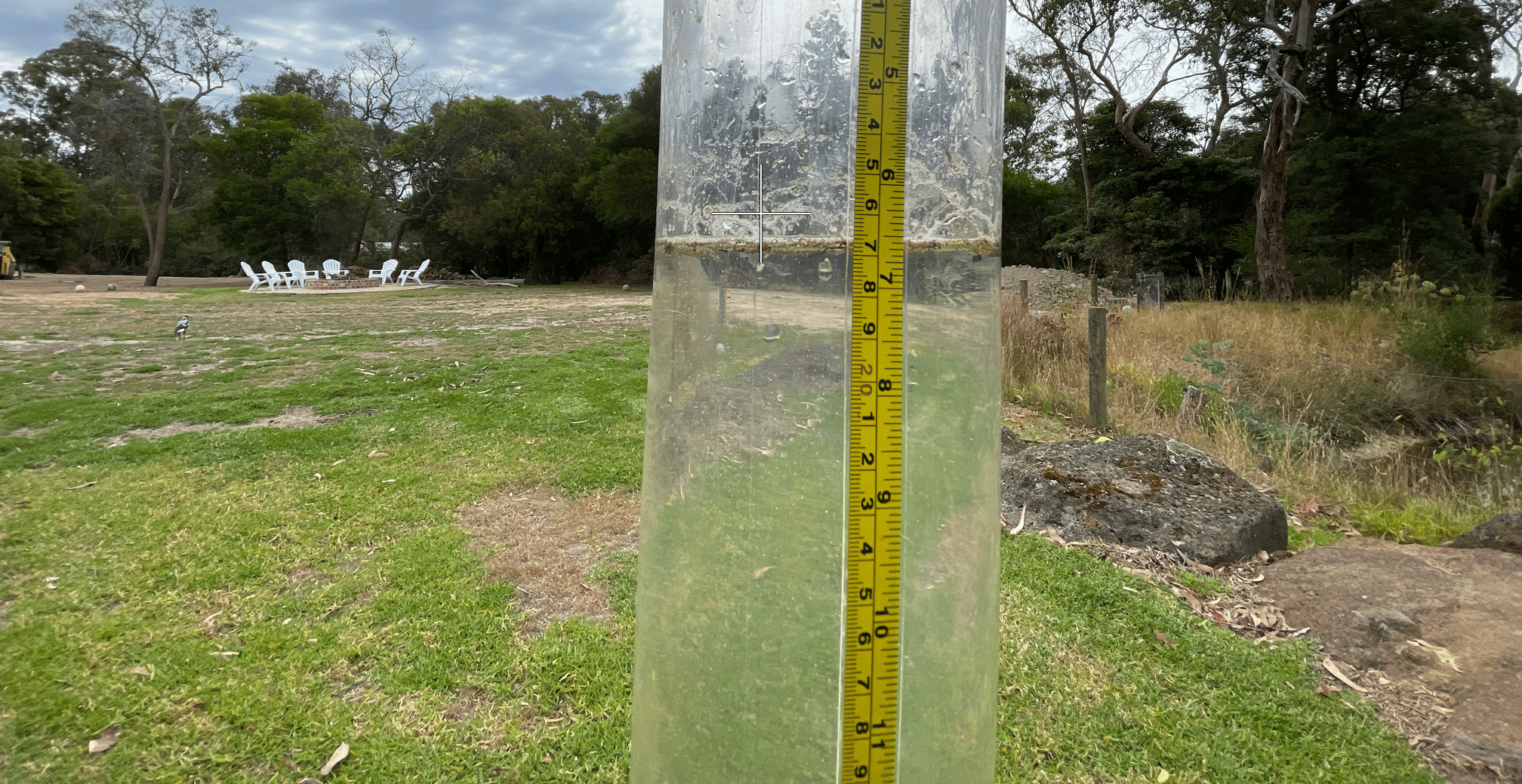
Why Land Capability Assessments Are Important
Land capability assessments serve multiple purposes beyond regulatory compliance. They provide long-term protection for both property owners and the environment.
1. Environmental Protection
Wastewater must be absorbed and treated naturally by soil. If land conditions are unsuitable, contaminants may reach rivers, groundwater, or nearby ecosystems. LCAs evaluate these risks before installation.
2. Public Health Safety
Poorly designed septic systems can spread pathogens and pollutants. Assessments ensure wastewater treatment meets health standards required by Victorian authorities.
3. Council Compliance
Most Victorian councils require LCAs as part of building or development applications, particularly in unsewered regions.
4. Cost Savings Over Time
Identifying land limitations early prevents expensive redesigns, system failures, or regulatory penalties later.
What Does an LCA Include?
Professional Land Capability Assessments in Victoria involve a combination of fieldwork, analysis, and reporting. According to industry standards, assessments typically evaluate:
Soil Characteristics
-
Soil permeability and texture
-
Depth to bedrock
-
Soil chemistry and structure
-
Absorption capacity
These factors determine how efficiently wastewater filters through soil layers.
Topography and Drainage
Slope gradients and land shape affect runoff and system performance.
Hydrology
Experts assess groundwater levels and proximity to waterways to prevent contamination.
Climate Conditions
Rainfall and temperature patterns influence soil saturation and biological treatment processes.
Land Use Compatibility
Existing vegetation and surrounding land usage are analysed to ensure sustainable wastewater management.
After evaluation, the land is classified as:
-
Suitable
-
Conditionally suitable (with modifications)
-
Unsuitable for septic systems
The Role of Victorian Septic Land Capability Assessments
Victorian Septic Land Capability Assessments specialises in delivering professional LCA reports across Victoria. Their assessments focus on determining septic system suitability while ensuring compliance with Australian standards and environmental regulations.
The company supports a wide range of clients, including:
-
Homeowners
-
Builders and developers
-
Architects and planners
-
Commercial property owners
-
Infrastructure consultants
Each report provides clear recommendations for wastewater treatment design and land management strategies, helping clients move smoothly through council approval processes.
Understanding LCA Cost in Victoria
One of the most common questions property owners ask is: What is the LCA cost?
The price of a land capability assessment varies depending on several factors rather than a fixed rate.
Key Factors Affecting LCA Cost
1. Property Size
Larger properties require more extensive field testing and data collection.
2. Site Complexity
Steep slopes, rocky terrain, or high water tables increase assessment complexity.
3. Soil Testing Requirements
Percolation tests and laboratory soil analysis influence overall costs.
4. Accessibility
Remote or difficult-to-access locations may require additional time and resources.
5. Project Type
Residential assessments typically cost less than commercial or subdivision evaluations.
Professional providers aim to deliver cost-effective solutions while maintaining accuracy and regulatory compliance.
The Land Capability Assessment Process
Working with experienced professionals ensures a smooth and efficient process. Typically, the steps include:
Step 1: Initial Consultation
Discuss project requirements and council expectations.
Step 2: Site Inspection
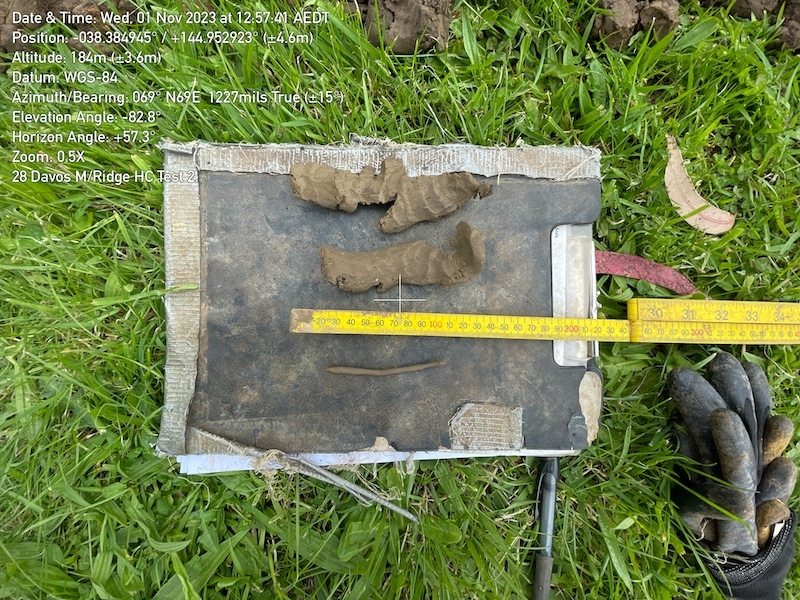
Experts visit the property to conduct soil testing and environmental observations.
Step 3: Data Analysis
Collected information is analysed using scientific methods and regulatory frameworks.
Step 4: Reporting
A comprehensive report is prepared outlining land suitability and system recommendations.
Step 5: Council Submission
The LCA report supports permit applications and planning approvals.
This structured approach ensures accurate decision-making and reduces approval delays.
When Do You Need an LCA?
You may require Land Capability Assessments in Victoria if:
-
Your property is not connected to mains sewerage
-
You plan a new dwelling or extension
-
Your septic system has failed
-
Council requests additional environmental documentation
-
You are subdividing land or developing commercially
Failure to obtain an LCA when required can lead to permit delays or non-compliance issues.
Benefits of Choosing Professional LCA Services
Working with qualified specialists like Victorian Septic Land Capability Assessments offers several advantages:
-
Accurate scientific analysis
-
Compliance with EPA and council regulations
-
Reduced development risk
-
Faster approval processes
-
Environmentally sustainable solutions
Professional assessments ensure wastewater systems operate efficiently for years without causing environmental damage.
Why Land Capability Matters for Victoria’s Future
Victoria’s diverse landscapes—from coastal areas to rural farmland—require careful land management. Land capability assessment frameworks developed by government agencies help classify land suitability and promote sustainable development practices across the state.
By ensuring land is used appropriately, LCAs help preserve soil health, protect waterways, and support long-term environmental sustainability.
Conclusion
Understanding Land Capability Assessments in Victoria is essential for anyone planning development in areas without sewer connections. These assessments provide the scientific foundation needed to install safe, compliant, and environmentally responsible wastewater systems.
While LCA cost varies depending on property characteristics and project complexity, investing in a professional assessment prevents costly problems and ensures regulatory approval.
Victorian Septic Land Capability Assessments delivers expert evaluations designed to simplify the approval process while safeguarding both property investments and the environment. Whether you are building a new home, upgrading a septic system, or planning a subdivision, professional land capability assessments provide the clarity and confidence needed to move forward successfully.


Comments
Post a Comment