About Land Capability Assessments: A Complete Guide for Property Owners and Developers
When planning a new development or building project, one of the most important environmental and regulatory steps is understanding about land capability assessments. These assessments evaluate whether a piece of land is suitable for wastewater management systems, particularly septic systems, without harming the environment or public health.
At Victorian Septic Land Capability Assessments, professional evaluation services help property owners, builders, and developers ensure their land meets council and environmental requirements before construction begins. A land capability assessment provides scientific insight into soil conditions, drainage capacity, and environmental risks, making it a critical step in responsible land development.
What Is a Land Capability Assessment?
A land capability assessment (LCA) is a detailed technical report prepared by qualified environmental consultants. It determines how well land can handle wastewater treatment and disposal onsite. This process is especially essential in areas not connected to municipal sewer systems.
The assessment examines multiple factors, including:
-
Soil composition and permeability
-
Groundwater levels
-
Site slope and drainage patterns
-
Flood risk zones
-
Environmental sensitivity
-
Proposed building layout
The purpose is to ensure wastewater systems function efficiently without contaminating nearby water sources or ecosystems.
Why Land Capability Assessments Are Important
Understanding about land capability assessments helps property owners avoid costly mistakes and regulatory delays. Councils across Victoria require LCAs before approving building permits for properties using septic systems.
Key benefits include:
1. Council Approval Compliance
Local authorities require proof that wastewater can be safely managed onsite. Without an approved assessment, development applications may be rejected.
2. Environmental Protection
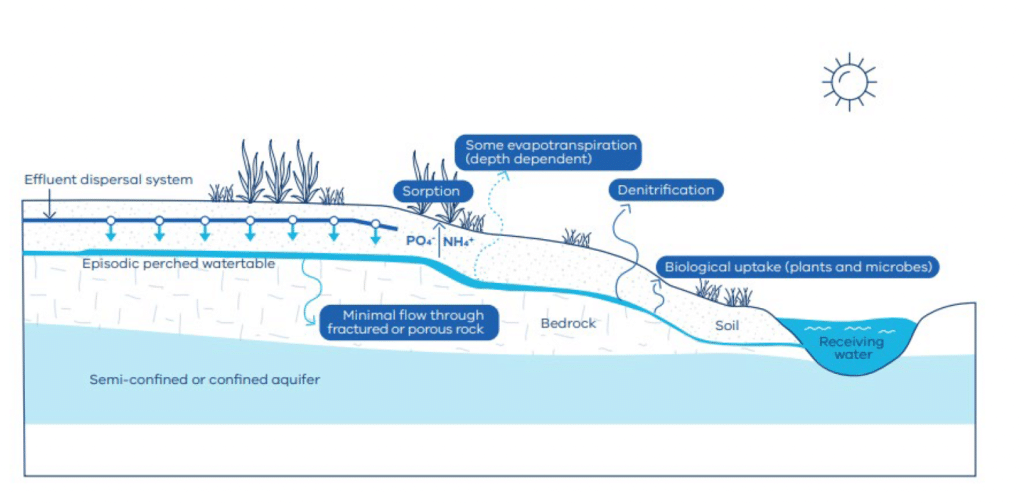
Improper wastewater disposal can pollute soil, groundwater, and nearby waterways. LCAs help prevent environmental damage.
3. Cost Savings
Identifying soil or drainage issues early prevents expensive redesigns or system failures later.
4. Long-Term Property Value
A compliant and well-planned wastewater system increases property reliability and resale value.
Who Needs a Land Capability Assessment?
Many property owners are surprised to learn they require an LCA. Typically, assessments are needed for:
-
New residential developments
-
Rural or semi-rural properties
-
Subdivisions
-
Property extensions or renovations
-
Commercial developments without sewer connections
-
Replacement septic system installations
Victorian Septic Land Capability Assessments works with homeowners, architects, builders, and developers to ensure projects proceed smoothly from planning to approval.
The Land Capability Assessment Process
Understanding about land capability assessments also means knowing what happens during the evaluation process.
Step 1: Site Inspection
Qualified professionals visit the property to examine terrain, vegetation, and drainage characteristics.
Step 2: Soil Testing
Soil samples are collected and tested to measure absorption rates and filtration capacity.
Step 3: Environmental Analysis
Experts assess risks related to groundwater, flooding, and nearby water bodies.
Step 4: Wastewater System Design Recommendations
Based on findings, suitable septic or treatment system options are recommended.
Step 5: Detailed Report Preparation
A comprehensive report is prepared for council submission, including technical data and compliance recommendations.
Key Factors Evaluated in Land Capability Assessments
Several technical elements determine whether land is suitable for wastewater management:
Soil Type
Clay soils absorb water slowly, while sandy soils drain quickly. The right balance is required for effective wastewater treatment.
Slope of the Land
Steep slopes can cause runoff issues, increasing contamination risk.
Groundwater Levels
High groundwater tables may prevent safe wastewater absorption.
Climate Conditions
Rainfall patterns influence soil saturation and drainage efficiency.
Available Land Area
Adequate space must exist for wastewater dispersal systems.
By carefully analyzing these factors, Victorian Septic Land Capability Assessments ensures accurate and reliable recommendations.
Common Challenges Identified During Assessments
Land capability assessments often reveal issues that property owners were unaware of, such as:
-
Poor soil drainage
-
Seasonal waterlogging
-
Limited treatment area
-
Flood-prone zones
-
Environmental protection restrictions
Identifying these challenges early allows practical solutions to be implemented before construction begins.
Benefits of Hiring Professional Assessment Services
Choosing experienced professionals makes a significant difference in project success. Victorian Septic Land Capability Assessments provides:
-
Accurate technical evaluations
-
Council-compliant documentation
-
Faster approval processes
-
Expert wastewater system recommendations
-
Reduced project risks
Professional assessments ensure all environmental regulations are met while maintaining development efficiency.
How Land Capability Assessments Support Sustainable Development
Sustainability is becoming increasingly important in property development. Land capability assessments contribute to sustainable planning by:
-
Preventing groundwater contamination
-
Protecting natural ecosystems
-
Promoting efficient wastewater treatment
-
Supporting responsible land use
-
Minimizing long-term environmental impact
Proper wastewater management protects communities while enabling safe development growth.
When Should You Arrange a Land Capability Assessment?
The best time to arrange an assessment is before purchasing land or submitting building plans. Early evaluation helps avoid unsuitable property investments and unexpected construction delays.
You should contact professionals if you are:
-
Planning to build in a non-sewered area
-
Applying for council permits
-
Subdividing land
-
Installing or upgrading septic systems
Early planning ensures smoother approvals and reduced project stress.
Why Choose Victorian Septic Land Capability Assessments?
Victorian Septic Land Capability Assessments specializes in delivering accurate, reliable, and council-ready land capability reports across Victoria. Their expertise ensures every assessment meets local regulatory standards while providing practical solutions tailored to each property.
Clients benefit from:
-
Experienced environmental consultants
-
Detailed and compliant reports
-
Efficient turnaround times
-
Professional guidance throughout approval processes
-
Strong understanding of Victorian council requirements
Their commitment to quality helps clients move forward with confidence.
Final Thoughts
Learning about land capability assessments is essential for anyone planning property development in areas without centralized sewer systems. These assessments protect the environment, ensure regulatory compliance, and support safe and sustainable construction.
By partnering with experienced professionals like Victorian Septic Land Capability Assessments, property owners and developers can confidently navigate council requirements while ensuring long-term wastewater management success.
Whether you are building a new home, subdividing land, or upgrading an existing system, a professional land capability assessment is the foundation of responsible development and environmental protection.


Comments
Post a Comment