Septic Land Capability Assessment: A Complete Guide for Victorian Properties
A Septic Land Capability Assessment (LCA) is a critical requirement for property owners planning to build, subdivide, or upgrade wastewater systems in Victoria. Local councils mandate this assessment to ensure that onsite wastewater systems function safely without harming soil, groundwater, or nearby waterways. For residential, rural, and commercial developments, an accurate assessment reduces long-term risks and compliance issues.
Victorian Septic Land Capability Assessments provides professional and council-compliant reports tailored to Victorian regulations, helping property owners move forward with confidence.
What Is a Septic Land Capability Assessment?

A Septic Land Capability Assessment is a detailed technical report that evaluates whether a site can support an onsite wastewater treatment and disposal system. It examines soil properties, slope, drainage, and environmental constraints to determine the most suitable septic solution.
Councils across Victoria require this assessment before approving:
-
New dwelling constructions
-
Subdivision permits
-
Replacement or upgrade of septic systems
-
Change of land use applications
Without an approved LCA, planning permits are often delayed or rejected.
Why Is a Septic Land Capability Assessment Important?
A poorly designed septic system can lead to soil contamination, groundwater pollution, and health hazards. A professional assessment ensures:
-
Compliance with Victorian EPA and council guidelines
-
Protection of local ecosystems and water resources
-
Long-term performance of wastewater systems
-
Reduced maintenance and repair costs
By identifying site limitations early, property owners avoid costly redesigns and regulatory issues.
Key Factors Assessed in a Land Capability Assessment
A comprehensive Septic Land Capability Assessment evaluates several technical and environmental factors, including:
1. Soil Characteristics
Soil texture, permeability, and depth are tested to determine effluent absorption capacity.
2. Site Slope and Topography
Steep slopes may limit system types or require advanced treatment solutions.
3. Groundwater and Surface Water
The distance to groundwater tables, dams, streams, and drainage lines is critical for system approval.
4. Climate and Rainfall
Local rainfall data influences system sizing and disposal area design.
5. Site Constraints
Vegetation, setbacks, easements, and nearby structures are assessed to ensure compliance.
The Septic Land Capability Assessment Process
At Victorian Septic Land Capability Assessments, the process follows a structured and council-aligned approach:
-
Site Inspection – Physical assessment of land conditions and access
-
Soil Testing – Borehole or soil pit analysis to evaluate permeability and structure
-
Data Analysis – Review of environmental overlays, zoning, and council requirements
-
System Recommendation – Selection of suitable wastewater treatment options
-
Detailed Reporting – Preparation of a compliant Land Capability Assessment report
The final report is submitted to the local council as part of the planning or building application.
Understanding Land Capability Assessment Cost in Victoria
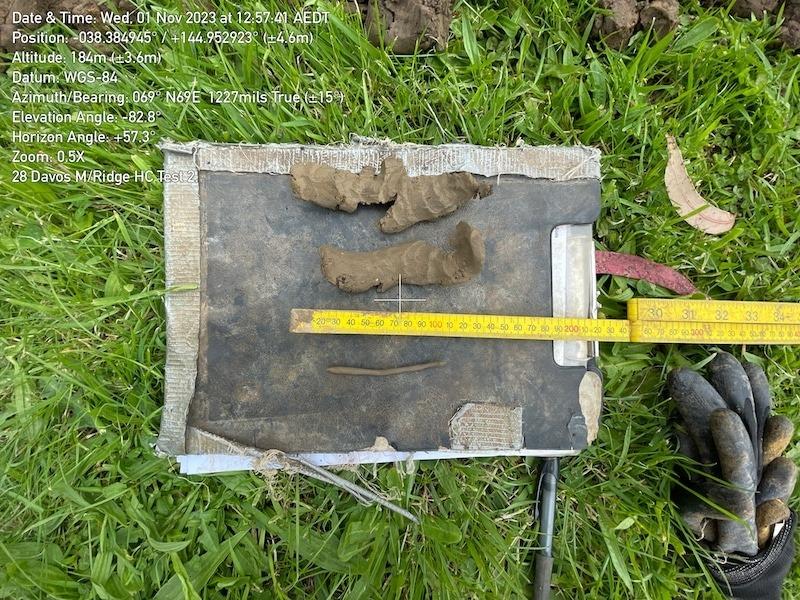
Land Capability Assessment Cost in Victoria can vary depending on several factors. While prices differ between sites, understanding what influences the cost helps with planning.
Key factors affecting Land Capability Assessment cost include:
-
Property size and accessibility
-
Number of soil tests required
-
Site slope and complexity
-
Council-specific documentation requirements
-
Urgency and turnaround time
On average, the Land Capability Assessment cost reflects the level of technical analysis required to meet council standards. Investing in a high-quality assessment reduces the risk of rework, saving money in the long term.
When Do You Need a Land Capability Assessment?
You typically need a Septic Land Capability Assessment if you are:
-
Building a new home in an unsewered area
-
Subdividing land without access to reticulated sewer
-
Upgrading or replacing an existing septic system
-
Applying for a change of land use
Most Victorian councils will not process planning permits without an approved assessment.
Choosing the Right Assessment Provider in Victoria
Selecting an experienced consultant is essential. Victorian Septic Land Capability Assessments offers:
-
In-depth knowledge of Victorian council requirements
-
Accurate soil and site analysis
-
Clear, well-structured reports
-
Efficient turnaround times
-
Ongoing support during council review
A professionally prepared report increases approval success and minimizes delays.
Benefits of a Professional Septic Land Capability Assessment
Engaging qualified specialists provides several long-term benefits:
-
Reduced risk of council rejection
-
Environmentally sustainable wastewater solutions
-
Optimized system design for site conditions
-
Compliance with EPA Victoria guidelines
-
Increased property value and development certainty
Conclusion
A Septic Land Capability Assessment is not just a regulatory requirement—it is a vital step in protecting land, water, and public health. Understanding the assessment process and Land Capability Assessment cost helps property owners make informed decisions before development begins.
Victorian Septic Land Capability Assessments delivers reliable, council-ready reports that support efficient approvals and sustainable outcomes across Victoria. For any onsite wastewater project, a professionally conducted Land Capability Assessment is an essential investment in compliance and long-term performance.


Comments
Post a Comment